Medical Aesthetics
Laser Hair Removal in Kirkland, WA
Spend less time shaving, plucking, and waxing.
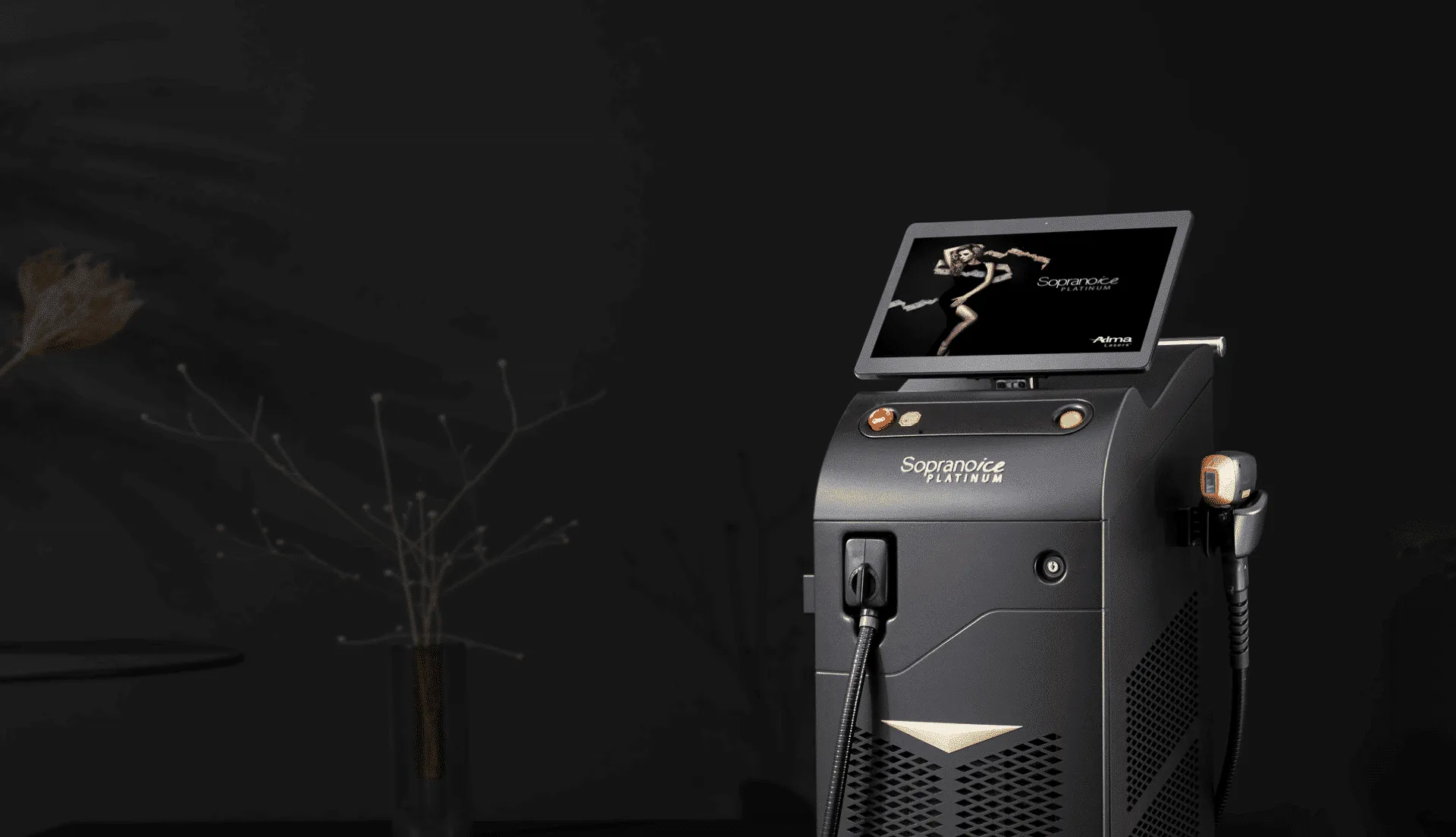
Laser hair removal uses controlled light energy to reduce unwanted hair over a series of treatments. Divine uses the Soprano ICE Platinum platform, which combines three laser wavelengths with an integrated cooling system designed to treat a broad range of skin and hair profiles more comfortably.
Your treatment plan is based on the area, hair characteristics, skin tone, recent sun exposure, medical history, and the way your hair responds over time.
Treatment Focus
Long-term reduction of unwanted facial and body hair.
Technology
Soprano ICE Platinum by Alma.
Laser System
Three wavelengths: 755 nm Alexandrite, 810 nm diode, and 1064 nm Nd:YAG.
Treatment Plan
A series of sessions timed around hair-growth cycles.
About the Treatment
What Is Laser Hair Removal and How Does It Work?
Laser hair removal uses light energy to target pigment in the hair and heat structures within the hair follicle. When the follicle is effectively treated during an active growth phase, its ability to produce hair can be reduced.
Hair does not grow in one synchronized cycle. Some follicles are active while others are resting, which is why laser hair removal is performed as a series rather than a single session.
Why Divine Uses Soprano ICE Platinum
Soprano ICE Platinum combines three wavelengths in one applicator: 755 nm Alexandrite for strong melanin absorption and treatment of selected finer or lighter pigmented hairs; 810 nm diode for versatile hair-reduction treatment across a range of areas; and 1064 nm Nd:YAG for deeper penetration and use across a broader range of skin tones.
The platform uses Alma’s SHR and In-Motion approach to deliver repeated pulses while the handpiece moves across the treatment area. Integrated ICE cooling helps protect and cool the skin surface during treatment.
Manufacturer information describes the platform as suitable across Fitzpatrick skin types I-VI. In real clinical use, skin tone, tanning, sun exposure, hair pigment, medications, and treatment settings still matter for safety and response.
Treatment Areas
Areas Laser Hair Removal May Treat
Laser hair removal can be used on many areas of the face and body where unwanted pigmented hair is present.
Face and Neck
Selected facial areas such as the upper lip, chin, jawline, or neck may be considered when appropriate. Hair growth on the face can be influenced by hormones, so ongoing or new hair growth may still occur even after a successful reduction series.
Underarms
The underarms are a common treatment area for patients who want to reduce frequent shaving and recurrent stubble.
Bikini Area
Laser treatment may reduce unwanted hair in the bikini area and may be useful for patients who experience irritation from repeated shaving or waxing.
Legs and Arms
Larger areas such as the legs or arms can be treated as part of a planned series.
Back and Chest
Laser hair removal can also be considered for larger areas of unwanted hair such as the back or chest.
What Laser Hair Removal Does Not Do
Laser hair removal reduces existing unwanted hair. It does not treat an underlying hormonal or medical cause of excess hair growth. If new or excessive hair growth appears alongside symptoms such as menstrual changes, acne, or other hormone-related concerns, a separate medical evaluation may be appropriate.
Your Treatment Journey
What to Expect, Results & Recovery
Candidacy
Is Laser Hair Removal in Kirkland Right for You?
A good laser plan starts with the right settings, realistic expectations, and a schedule that fits your skin and hair.
Laser hair removal may be a good option if you want to reduce unwanted pigmented hair and prefer a longer-term approach than shaving, waxing, or plucking.
Treatment response depends partly on the contrast between hair pigment and skin, although modern devices allow treatment across a wider range of skin tones than older systems.
Very light, gray, white, or minimally pigmented hair may respond less predictably because laser hair removal relies on pigment as a target.
A consultation is especially important if you have a recent tan, darker skin tone, a history of pigment changes or scarring, active skin irritation in the treatment area, take photosensitizing medications, or have a medical condition associated with excess hair growth.
Laser hair removal is not appropriate for the eyelids, eyebrows, or areas close enough to the eye to create an unacceptable eye-injury risk.

Cost & Consultation
How Much Does Laser Hair Removal in Kirkland, WA Cost?
Laser hair removal pricing depends on the size and number of treatment areas and the treatment plan recommended for you. Because most patients need a series, the total cost is influenced by the number of sessions as well as the area treated.
We may also offer seasonal specials or promotional pricing, so contact the clinic to confirm current pricing and available offers before scheduling.
FAQ
Frequently Asked Questions About Laser Hair Removal in Kirkland
Start with a complimentary consultation to review the area you want treated, the expected number of sessions, preparation, recovery, and pricing.
