
Gut Health Clinic in Kirkland, WA
At our gut health clinic in Kirkland WA, care is personalized for persistent digestive symptoms, microbiome concerns, and factors that may affect how your gut feels and functions.
- Personalized care from a Washington-licensed naturopathic physician.
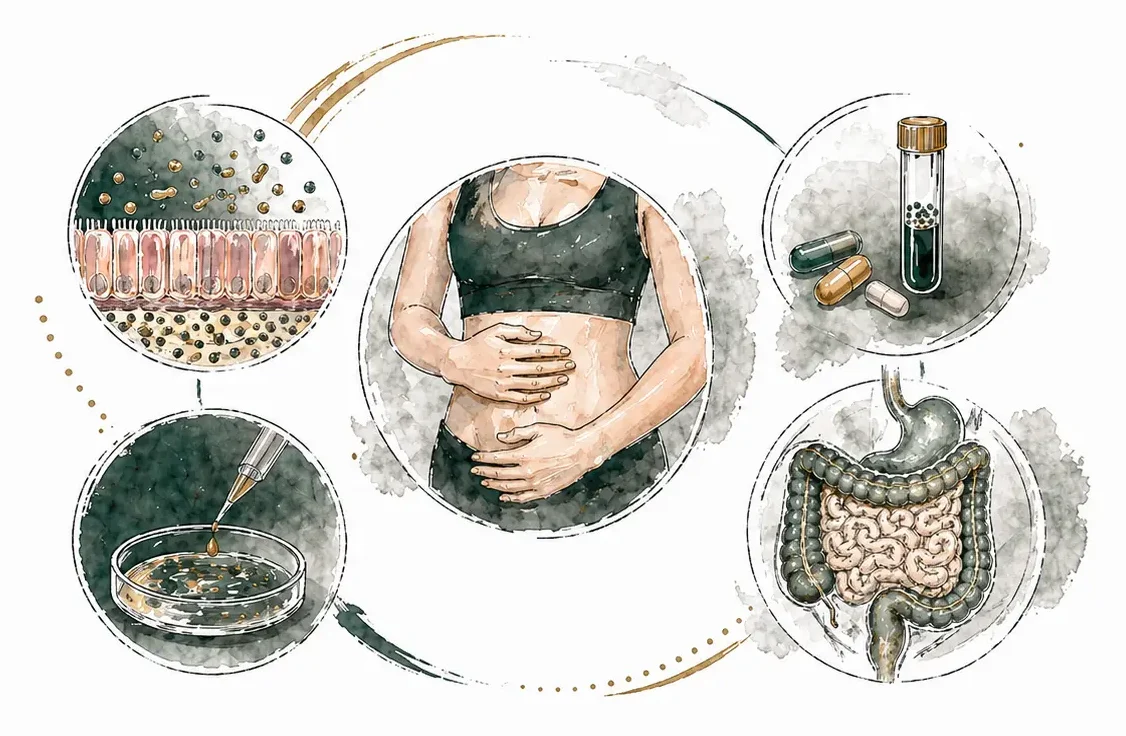
At Divine Naturopathic Clinic & Wellness Center, gut health care begins with a structured evaluation. We review your symptoms, health history, medications and supplements, nutrition, lifestyle, previous testing, and goals before discussing reasonable next steps.
Testing or treatment options may be considered when clinically appropriate; they are not automatically recommended for every patient.
What we review together
SymptomsHealth historyMedications & supplementsNutritionLifestylePrevious testingYour goals
When Digestive Symptoms Keep Coming Back
Digestive symptoms can be influenced by many factors, including eating patterns, medications, infections, gut-brain interaction, bowel motility, food intolerance, hormonal transitions, stress, sleep, and underlying medical conditions. Similar symptoms can have different causes, so a useful plan starts with context rather than assumptions.
Adults commonly seek gut health support for concerns such as:
Bloating or excess gas
Recurring fullness, pressure, visible distention, or uncomfortable gas after meals or throughout the day.
Abdominal discomfort
Cramping, pressure, or recurring pain that may change with eating or bowel movements.
Constipation or difficult bowel movements
Infrequent stools, straining, hard stools, or a persistent sense of incomplete evacuation.
Diarrhea, urgency, or changing stool patterns
Loose stools, urgent bowel movements, or alternating constipation and diarrhea.
Heartburn, acid reflux, or GERD symptoms
Burning, regurgitation, or upper digestive discomfort that may require standard medical or gastroenterology evaluation.
Food-related symptoms
Digestive discomfort that appears to follow certain foods, without assuming that every food reaction is an allergy.
Previously diagnosed or suspected IBS or SIBO
Persistent symptoms may warrant review of the existing diagnosis, prior testing, treatment response, and other possible contributors.
These symptoms can have many possible causes
Their presence does not confirm IBS, SIBO, GERD, a food allergy, microbiome imbalance, or increased intestinal permeability. Evaluation helps determine what should be considered and whether additional testing or separate medical evaluation is appropriate.
Gut Health Support for IBS, SIBO, Reflux, and More
01
IBS and recurring bowel symptoms
Irritable bowel syndrome can involve abdominal pain together with constipation, diarrhea, or mixed bowel patterns. Care begins with reviewing the symptom pattern, previous evaluation, diet, medications, stress, and warning signs rather than assuming that every recurring bowel symptom is IBS.
02
SIBO concerns
Small intestinal bacterial overgrowth is associated with symptoms such as bloating, abdominal discomfort, and diarrhea, but those symptoms are not specific to SIBO. Testing and treatment decisions should be based on the clinical picture, and other causes may need to be considered.
03
GERD and acid reflux
Reflux symptoms may respond to changes in meal timing, habits, or other individualized care, but persistent or concerning symptoms can require standard medical evaluation. Existing medications should not be stopped or changed without guidance from the prescribing clinician.
04
Constipation and diarrhea
Bowel changes may relate to nutrition, hydration, medications, motility, gut-brain interaction, infection, thyroid or metabolic factors, pelvic floor concerns, or other conditions. The pattern and duration help guide the next step.
05
Microbiome-related concerns
The gut microbiome is complex, and symptoms alone cannot define a “microbiome imbalance.” If microbiome or stool testing is considered, results should be interpreted alongside symptoms, history, conventional evaluation, and the limitations of the test.
06
“Leaky gut” and intestinal permeability
“Leaky gut” is a common patient term often used to describe concerns about the intestinal barrier. Intestinal permeability is a real physiologic concept, but it should not be treated as a stand-alone explanation for every symptom. Divine approaches these concerns by reviewing the broader clinical picture and avoiding one-size-fits-all protocols.
07
Food reactions
Food allergy, food intolerance, and food sensitivity are not interchangeable. A true food allergy involves the immune system and can be serious. Digestive symptoms after food may also reflect intolerance or another gastrointestinal issue. When allergy is suspected, appropriate medical or allergy evaluation may be needed.
A food reaction can be a medical emergency
Trouble breathing, throat or tongue swelling, faintness, or a rapidly progressing reaction after food may be a medical emergency. Call 911 or seek emergency care rather than scheduling a routine gut health visit.
Our Approach to Personalized Gut Health Care
Digestive symptoms rarely exist in isolation. Divine organizes the information that matters so recommendations can be based on the individual instead of a standard protocol.
01. Comprehensive health history
We begin with your current symptoms, timeline, bowel patterns, previous diagnoses, medications, supplements, antibiotic history, nutrition, sleep, stress, hormonal or reproductive stage when relevant, family history, and goals.
02. Review of prior care and clinical context
Existing laboratory results, imaging, endoscopy reports, diagnoses, and previous treatment responses may be reviewed. The goal is to understand what has already been evaluated and what questions remain.
03. Testing when appropriate
Additional conventional or specialty testing may be discussed when it is likely to clarify the clinical picture or change care decisions. Not every patient needs the same tests, and more testing is not automatically better.
04. Personalized care planning
Depending on the individual, a plan may address nutrition, hydration, meal patterns, bowel habits, sleep, stress, movement, supplements, medication considerations, or other treatment options within the clinician’s scope.
05. Follow-up and adjustment
Digestive symptoms and tolerance can change over time. Follow-up allows us to review response, address questions, monitor relevant findings, and adjust the plan when clinically appropriate.
When an Antimicrobial Protocol May Be Considered
Some patients arrive expecting an antimicrobial protocol for suspected SIBO, dysbiosis, or another digestive concern. Antimicrobial care is not automatically appropriate for bloating or a positive specialty test. The decision should consider symptoms, history, test quality, previous treatment, medication and supplement interactions, potential adverse effects, and whether another explanation requires attention.
When an antimicrobial option is clinically appropriate, the plan should be individualized, supervised, and reviewed over time. It may also include attention to nutrition, bowel function, possible contributing factors, and follow-up rather than relying on repeated or indefinite antimicrobial use.
Please do not self-treat
Do not begin, combine, or extend prescription or nonprescription antimicrobial products based only on internet advice. These products may cause adverse effects or interact with medications and are not suitable for everyone.
Gut Health Testing When It Can Inform Care
Testing should answer a useful clinical question. Divine may review existing results and discuss conventional or specialty testing based on symptoms, history, and the decision the result would help inform.
Available specialty testing may include GI-MAP, OAT, food sensitivity testing, and other options, but availability alone does not mean a test is appropriate for every patient.
Each test has limitations. Results should not be used in isolation to diagnose the cause of every symptom, confirm a food allergy, or justify an automatic supplement or antimicrobial protocol.
GI-MAPOATFood sensitivity testingConventional lab work
Gut Health for Women Across Adulthood and Midlife
Digestive patterns can change during adulthood, including around menstrual changes, perimenopause, and menopause. Some women notice new or changing bloating, constipation, reflux, food tolerance, or bowel patterns during these transitions.
Hormonal changes may be one part of the picture, but they should not be assumed to explain every digestive symptom. Evaluation may also consider thyroid and metabolic health, medications, pelvic floor function, stress, sleep, nutrition, and standard gastrointestinal causes.
At Divine, the goal is to understand how digestive symptoms fit into the broader clinical context and to build a plan that reflects the individual, not to label every concern as hormonal or prescribe the same protocol to every woman.

Knowing When to Seek Additional Medical Evaluation
Naturopathic gut health care does not replace emergency care, colon cancer screening, endoscopy, imaging, or gastroenterology evaluation when those services are needed.
Prompt, non-emergency
Seek prompt medical evaluation for
- Blood in the stool or black, tarry stools
- Unexplained weight loss
- Persistent vomiting or inability to keep fluids down
- Difficulty or pain with swallowing
- Severe, worsening, or sudden abdominal pain
- Fever with significant digestive symptoms
- New anemia or significant weakness
- Chest pain
- A strong family history or other reason for earlier gastrointestinal screening
Patients should contact the appropriate medical or gastroenterology provider directly for those services.
Emergency
Call 911 or seek emergency care
Call 911 or seek emergency care for severe symptoms, chest pain, signs of a serious allergic reaction, fainting, or another possible emergency. Naturopathic care does not replace emergency evaluation.

Meet Dr. Sara Ghods, ND
Dr. Sara Ghods is a Washington-licensed naturopathic physician whose areas of focus include gut health, hormone health, functional dermatology, and medical aesthetics. Her approach combines attentive listening, structured assessment, evidence-informed guidance, and individualized treatment planning.
Gut health visits are designed to help organize symptoms, previous testing, treatment history, and health goals into a clearer clinical picture. Recommendations are based on the individual and may include follow-up and monitoring when appropriate.
- Divine Naturopathic Clinic & Wellness Center
- 1715 Market St, Suite 103, Kirkland, WA 98033
- (425) 785-1913
- info@divinenaturopathic.com
- Monday–Friday, 10:00 a.m.–5:00 p.m.
Gut Health Clinic in Kirkland, WA, Serving the Eastside
Divine Naturopathic Clinic & Wellness Center is based in Kirkland, Washington, and serves adults from Bellevue, Redmond, Bothell, Woodinville, Issaquah, and nearby Eastside communities.
If you have been looking for a local gut health clinic or a naturopathic doctor for digestive concerns, the first step is a brief complimentary consultation. We can learn what you are experiencing, answer initial questions about the care model, and determine whether Divine may be a good fit.
FAQ
Frequently Asked Questions About Gut Health Care
These answers are educational and do not replace an individualized medical evaluation. Recommendations depend on symptoms, health history, examination, previous care, and clinical context.
What happens during a gut health evaluation?
A gut health evaluation may include a detailed review of digestive symptoms, bowel patterns, health history, medications and supplements, nutrition, lifestyle, previous diagnoses, testing, and treatment response. The purpose is to identify useful next questions and create an individualized plan rather than assume one cause from symptoms alone.
Does Divine work with patients who have IBS or SIBO?
Divine may evaluate adults with an existing IBS or SIBO diagnosis as well as people with symptoms that raise those questions. Symptoms alone do not confirm either condition. Prior testing and treatment may be reviewed, and patients may need to seek separate medical evaluation when appropriate.
Do I need a gut microbiome or stool test?
Not necessarily. Testing is considered when it is likely to clarify a clinical question or change the care plan. A test result should be interpreted alongside symptoms, history, standard medical evaluation, and the limitations of the test.
Is “leaky gut” the same as intestinal permeability?
“Leaky gut” is a broad, nontechnical term commonly used by patients. Intestinal permeability is a measurable physiologic concept, but it is not a stand-alone explanation for every digestive or whole-body symptom. Evaluation should consider the complete clinical picture.
What is the difference between food allergy, food sensitivity, and food intolerance?
A food allergy involves an immune response and can sometimes cause a serious or life-threatening reaction. Food intolerance generally does not involve the same allergic mechanism and often causes digestive symptoms. “Food sensitivity” is used in different ways and does not automatically indicate a true allergy. Suspected food allergy may require evaluation by an appropriately qualified medical or allergy clinician.
Will I automatically receive an antimicrobial protocol for SIBO or dysbiosis?
No. Antimicrobial care is not automatically recommended for bloating, suspected SIBO, or a specialty-test result. Appropriateness depends on symptoms, history, testing, risks, previous treatment, interactions, and other possible causes. Any antimicrobial plan should be clinician-guided and monitored.
Can perimenopause or menopause affect digestion?
Some women notice changes in bloating, bowel habits, reflux, or food tolerance around midlife. Hormonal transitions may be relevant, but they are not the only possible explanation. Evaluation may also consider medications, thyroid and metabolic health, stress, sleep, nutrition, pelvic floor function, and gastrointestinal conditions.
When should I see a gastroenterologist?
Gastroenterology evaluation may be appropriate when endoscopy, colonoscopy, specialized imaging, or management of a gastrointestinal disease is needed. Warning signs such as bleeding, black stools, unexplained weight loss, persistent vomiting, difficulty swallowing, anemia, or severe pain warrant prompt medical attention. Patients should contact an appropriate medical or gastroenterology provider directly when these services are needed.
How long does it take to improve digestive symptoms?
There is no single timeline. It depends on the symptom pattern, diagnosis, duration, contributing factors, treatment response, and whether additional evaluation is needed. The purpose of follow-up is to review progress and adjust the plan rather than promise a fixed outcome.
What happens during the complimentary consultation?
The complimentary consultation is a brief first step to discuss your main concerns, answer initial questions, and determine whether Divine’s care model may be a good fit. It is not a full diagnostic visit and does not replace urgent or emergency care.
Start with a Gut Health Consultation
If bloating, reflux, abdominal discomfort, constipation, diarrhea, food-related symptoms, IBS, or SIBO concerns are affecting your daily life, a structured evaluation can help clarify the next step. Begin with a complimentary consultation to discuss your concerns and learn whether Divine may be a good fit.
